

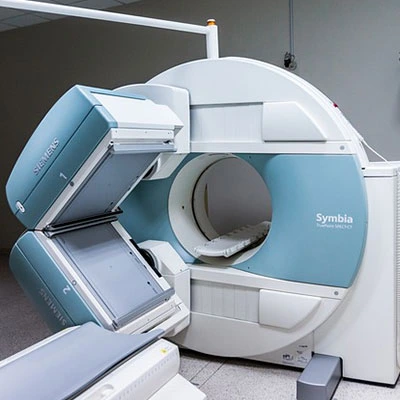
Description
Test Preparation
To ensure accurate results, follow these preparation guideline:
General Preparation:
- Wear comfortable clothing without any metal items like jewelry, zippers, or buttons. A hospital gown will typically be provided.
- Remove all metal objects (e.g., jewelry, eyeglasses, hairpins) as they can interfere with the MRI’s magnetic field.
- If you’re undergoing fMRI for brain mapping, inform the technician about any recent head trauma or surgeries that might affect the brain regions being studied.
- Consult your doctor if you have any medical implants (e.g., pacemakers, deep brain stimulators) as some devices can interfere with fMRI.
Fasting & Medication:
- No fasting is typically required unless the procedure involves other imaging techniques or anesthesia.
- Continue taking your usual medications unless instructed otherwise by your doctor.
- Contrast Agents: If a contrast agent is used (to enhance brain imaging), inform your doctor if you have any
- allergies to contrast materials or if you have kidney problems.
Special Considerations:
- Pregnancy or Breastfeeding: If you’re pregnant or breastfeeding, inform your doctor, as fMRI is generally considered safe but may require extra precautions.
- If you suffer from claustrophobia, let your doctor know. You may be offered sedation options or asked to consider alternative techniques if necessary.
- You may need to remain still for an extended period during the fMRI. If you’re being tested for motor activity (e.g., hand or leg movements), you may be asked to perform simple tasks during the scan.