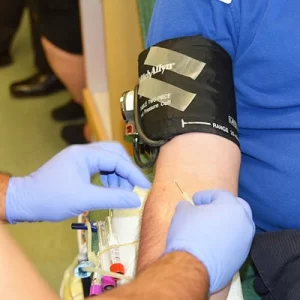


Description
Why It’s Done:
The PAPP-A test is performed to:
1. Screen for Chromosomal Abnormalities:
o Helps identify pregnancies at higher risk for Down syndrome and other genetic conditions.
2. Assess Placental Function:
o Low PAPP-A levels may indicate potential problems with the placenta affecting fetal growth and pregnancy outcome.
3. Guide Further Diagnostic Testing:
o Abnormal results may lead to more definitive tests like chorionic villus sampling (CVS) or amniocentesis.
4. Monitor Pregnancy Health:
o Used alongside other markers to provide a comprehensive picture of fetal well-being.
Preparation:
• Fasting:
o Not usually required. You can eat and drink normally before the test.
• Timing:
o Typically done between 10 to 13 weeks of pregnancy for accurate screening results.
• Medications:
o Inform your healthcare provider of any medications or supplements you are taking.
• Other Tests:
o The PAPP-A test is usually part of a first-trimester combined screening, so you may also have an ultrasound and blood test for free beta-hCG on the same day