

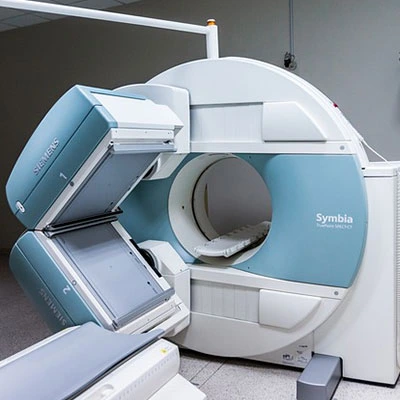
Description
Test Preparation
To ensure accurate results, follow these preparation guideline:
Clothing & Accessories:
Wear comfortable, metal-free clothing (avoid zippers, buttons, or snaps).
Remove jewelry, piercings, hearing aids, glasses, dentures, and any metallic objects before the scan.
Medical History & Implants:
Inform the technician if you have metal implants, pacemakers, artificial joints, aneurysm clips, or hearing aids, as they may interfere with the MRI.
Notify them if you have cochlear implants, as they may not be MRI-compatible.
If you have kidney disease, inform the doctor if contrast dye is required.
Fasting (If Contrast is Required):
If a contrast dye (gadolinium) is needed, you may be asked to avoid eating or drinking for 4–6 hours before the scan.
Pregnancy & Claustrophobia:
Inform the radiologist if you are pregnant or breastfeeding.
If you have claustrophobia, discuss sedation or open MRI options with your doctor.
Medications:
Continue taking your regular medications, unless instructed otherwise by your doctor.
Arrival & Procedure:
Arrive 30 minutes before your appointment to complete paperwork.
The scan typically takes 30–60 minutes, depending on whether contrast is used.
You must stay still throughout the procedure for clear imaging.