

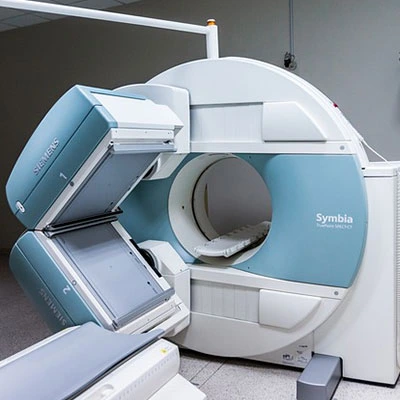
Description
Test Preparation
To ensure accurate results, follow these preparation guideline:
General Preparation:
- Wear loose, comfortable clothing without any metal items like jewelry, hairpins, or zippers. You may be asked to change into a hospital gown.
- Remove all metallic objects from your body, including jewelry, hearing aids, and eyeglasses.
- No metal objects near the head: Ensure that anything close to your head or eyes (e.g., piercings) is removed.
Fasting & Medication:
- Fasting: For an MRI of the head and orbits, no fasting is typically required, unless a contrast agent is used or if otherwise instructed by your doctor.
- Medications: Continue taking your prescribed medications as usual, unless your doctor tells you to stop.
- If contrast dye is used (commonly gadolinium), inform your doctor if you have any allergies to contrast agents or kidney problems.
Special Considerations:
- Pregnancy or breastfeeding: If you are pregnant or breastfeeding, inform your doctor as a contrast agent may not be recommended for some patients during pregnancy.
- Claustrophobia: If you are prone to claustrophobia (fear of confined spaces), let your doctor know. You may be given a mild sedative or offered open MRI options if necessary.
- If you have any metal implants in your body (e.g., pacemakers, stents, or surgical clips), inform the medical team, as these can interfere with the MRI.