
Description
Test Preparation
To ensure accurate results, follow these preparation guideline:
- Pre-Test Guidelines:
• Fasting:
If contrast dye is required, fasting for 4-6 hours before the test may be needed.
If no contrast is used, fasting may not be necessary.
• Medications:
Inform your doctor about any medications, especially if you take blood thinners, beta-blockers, or diuretics.
If you have kidney disease, a kidney function test (creatinine test) may be required before receiving contrast dye.
• Allergy & Medical History:
Inform your doctor if you have a history of allergic reactions to contrast dye.
Let your doctor know if you have metal implants (pacemakers, stents, artificial joints, etc.), as MRI may not be safe.
• Claustrophobia:
If you have claustrophobia, talk to your doctor about mild sedation options. - On the Day of the Test:
• Clothing & Accessories:
Wear comfortable, loose-fitting clothing without metal parts (zippers, buttons, or wires).
Remove jewelry, hearing aids, glasses, credit cards, and any metallic objects before the test.
• Avoid Caffeine & Alcohol:
Avoid caffeine and alcohol for 24 hours before the test, as they can affect blood vessel function.
• Hydration:
Drink plenty of water before the test, especially if contrast dye is used.\ - During the MRA Scan:
• The test takes 30-60 minutes.
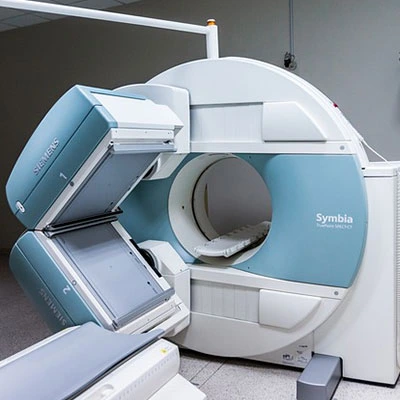
• You will lie still inside the MRI machine while images are taken.
• If contrast dye is used, it will be injected through an IV in your arm. You might feel a cool sensation as it enters your bloodstream.
• The MRI machine makes loud knocking or buzzing noises; earplugs or headphones may be provided.