

Description
Why It’s Done:
The Liver Function Test (LFT) – Serum is typically performed to:
• Diagnose liver conditions: The test helps diagnose liver diseases such as hepatitis, cirrhosis, fatty liver disease, and liver infections. Elevated or abnormal enzyme levels can indicate liver damage or inflammation.
• Monitor the progression of liver disease: For individuals with known liver diseases (such as chronic hepatitis or cirrhosis), LFTs are used to monitor liver function over time and assess how well the liver is responding to treatment.
• Evaluate the effects of medications: Certain medications can cause liver damage (such as statins, acetaminophen, and antibiotics). An LFT can help monitor liver health during long-term use of these drugs.
• Assess liver damage from alcohol use: Chronic alcohol consumption can lead to liver damage, which can be detected with abnormal LFT results.
• Check liver function before surgeries: LFTs are often done as part of pre-surgical assessments, especially for surgeries that may affect the liver or if the patient has a history of liver issues.
• Detect bile duct obstructions: Elevated ALP and GGT levels can indicate blockages in the bile ducts, which may be caused by gallstones or other conditions
Preparation:
• Fasting: Typically, fasting for 8–12 hours is required before the test. Fasting helps ensure accurate results, particularly for bilirubin and albumin measurements.
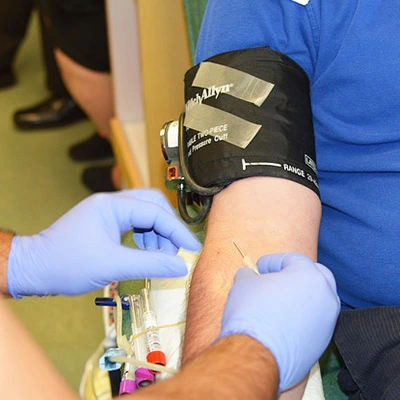
• Blood sample collection: A blood sample will be drawn from a vein in your arm.
• Medications: Inform your healthcare provider about any medications you are taking. Certain drugs can influence liver enzyme levels, such as acetaminophen, statins, antibiotics, and anti-seizure medications. Your doctor may advise you to temporarily stop taking certain medications before the test if they could affect the results.
• Alcohol: Avoid alcohol for at least 24–48 hours before the test, as alcohol can interfere with liver function and elevate enzyme levels.
• Dietary considerations: Avoid eating fatty foods and heavy meals right before the test, as these may also affect the results.