

Description
Why It’s Done:
• To evaluate allergic conditions such as asthma, hay fever, or eczema.
• To detect parasitic infections.
• To monitor certain blood disorders or immune system diseases.
• To investigate causes of unexplained inflammation or tissue damage.
• To assess response to treatment in conditions associated with eosinophilia.
Preparation:
• No special preparation is usually needed.
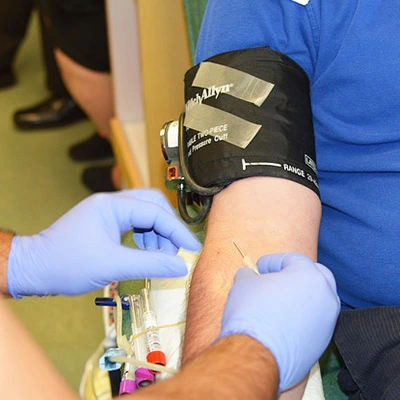
• Blood is drawn from a vein, typically from the arm.
• Inform your healthcare provider about any medications you are taking, as some may affect eosinophil levels.