
Description
Test Preparation
To ensure accurate results, follow these preparation guideline:
Pre-Test Guidelines:
• Fasting:
Do not eat or drink for at least 4-6 hours before the scan. This helps ensure clear imaging of the biliary and pancreatic ducts.
• Hydration:
You may drink clear fluids (water only) until the fasting period begins.
• Medications:
Take regular medications unless instructed otherwise.
If you have diabetes, consult your doctor about adjusting medications due to fasting.
• Allergy & Medical History:
Inform your doctor if you have metal implants (pacemakers, artificial joints, aneurysm clips, or stents), as MRI uses strong magnetic fields.
Let your doctor know if you are pregnant, claustrophobic, or have contrast dye allergies.
On the Day of the Test:
• Clothing & Accessories:
Wear comfortable, loose-fitting clothing without metal parts (zippers, buttons, or wires).
Remove jewelry, hearing aids, glasses, and metallic objects before the scan.
• Avoid Caffeine & Smoking:
Avoid caffeine, smoking, and alcohol for at least 12 hours before the test, as they can affect the function of the bile ducts and pancreas.
During the MRCP with Upper Abdomen Scan:
• The scan takes about 30-60 minutes.
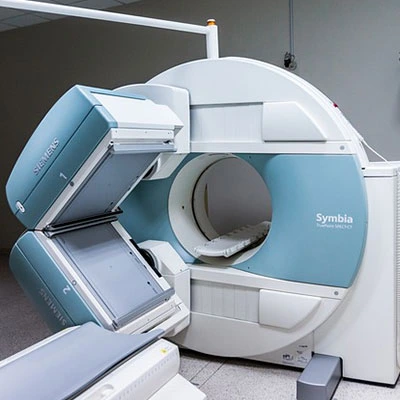
• You will lie still inside the MRI machine while images are taken.
• Contrast dye (gadolinium-based) may be used for better visualization of organs.
• The MRI machine makes loud knocking or buzzing sounds; earplugs or headphones may be provided.