

Description
Test Preparation
To ensure accurate results, follow these preparation guideline:
- Pre-Test Guidelines:
• Fasting: Some hospitals may require fasting for 4-6 hours before the test, especially if sedation is used.
• Medications: Inform your doctor about any ongoing medications. You may need to stop sedatives or muscle relaxants before the test.
• Allergies & Medical History: If you have allergies (especially to contrast agents), metal implants, or a pacemaker, notify your doctor beforehand.
• Claustrophobia: If you are claustrophobic, discuss options for mild sedation with your doctor. - On the Day of the Test:
• Avoid Caffeine & Alcohol for at least 12 hours before the test, as they can affect muscle tone and airway collapse.
• Wear Comfortable Clothing and remove any metallic objects (jewelry, hairpins, etc.).
• Breathing Simulation: You may be asked to perform specific breathing maneuvers, such as snoring or holding your breath, during the MRI scan. - During the MRI Scan:
• The test typically lasts 30-60 minutes.
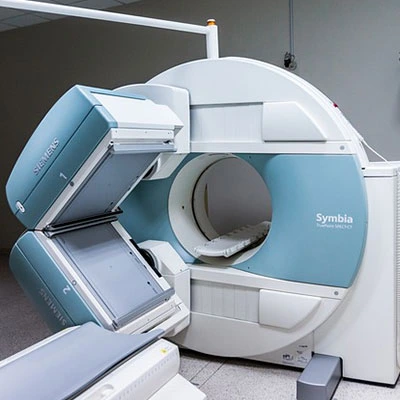
• You will lie inside the MRI machine while real-time images of your upper airway are taken.
• If sedation is used, a technician or anesthesiologist will monitor your breathing.