

Description
Why It’s Done:
The Thrombin Time test is done to:
1. Assess Fibrinogen Function:
o Detect qualitative or quantitative abnormalities in fibrinogen, such as dysfibrinogenemia or hypofibrinogenemia.
2. Monitor Heparin Therapy:
o Check the effect of heparin, a blood thinner that can interfere with clot formation and prolong TT.
3. Evaluate Bleeding Disorders:
o Investigate unexplained bleeding, bruising, or prolonged clotting times.
4. Screen for Disseminated Intravascular Coagulation (DIC):
o A condition where blood clots form throughout the body and use up clotting factors.
5. Identify Fibrinogen Abnormalities:
o Help differentiate whether prolonged clotting is due to low fibrinogen levels or defective fibrinogen.
Preparation:
• Fasting:
o Not required. You may eat and drink normally before the test unless other tests requiring fasting are also being performed.
• Medications:
o Inform your doctor if you are taking anticoagulants like heparin or warfarin, or any supplements that might affect clotting.
• Recent Illness or Surgery:
o Mention any recent infections, inflammation, liver disease, or surgeries, as they can influence clotting test results.
• Blood Collection Notes:
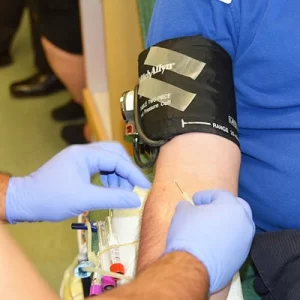
o The blood sample is collected from a vein in the arm, usually in a blue-top (citrate) tube, which is standard for coagulation studies.