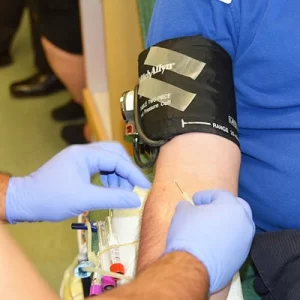


Description
Why It’s Done:
The PSA Total test is ordered to:
1. Screen for Prostate Cancer:
o Especially in men over 50 or those at higher risk due to family history or ethnicity.
2. Evaluate Prostate Health:
o To help diagnose conditions like BPH or prostatitis when symptoms such as difficulty urinating or pelvic discomfort occur.
3. Monitor Treatment:
o Track the effectiveness of prostate cancer treatment or detect recurrence.
4. Guide Further Testing:
o Elevated PSA levels often lead to additional tests such as a prostate biopsy or imaging studies.
Preparation:
• Fasting:
o Not required. You can eat and drink normally before the test.
• Avoid Activities That May Affect PSA Levels:
o Avoid vigorous exercise (especially cycling or heavy lifting) for 24–48 hours before the test.
o Avoid ejaculation for 24–48 hours prior, as it can temporarily raise PSA levels.
• Avoid Recent Procedures:
o Inform your doctor if you have had a digital rectal exam (DRE), prostate biopsy, or catheterization within the past week, as these can increase PSA temporarily.
• Medications:
o Mention any medications, such as finasteride or dutasteride, which can lower PSA levels.