
Description
Why It’s Done:
This test is performed to:
• Confirm or rule out a peanut allergy
• Investigate the cause of allergic symptoms such as:
o Hives, swelling, itching
o Shortness of breath
o Vomiting or diarrhea
o Anaphylaxis (a severe, life-threatening allergic reaction)
• Determine the severity of the allergy
• Monitor whether a child may be outgrowing a peanut allergy
• Guide decisions about diet and emergency treatment plans (e.g., epinephrine auto-injectors)
Preparation:
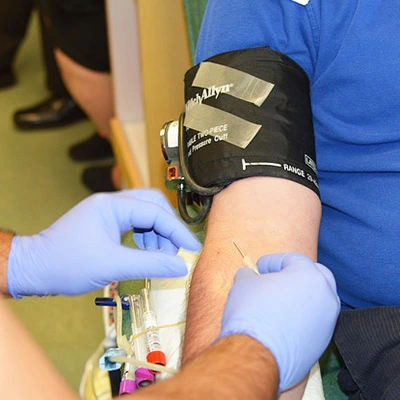
For a Blood Test:
• No fasting or special preparation is typically required.
• Inform your doctor about:
o Any allergy medications or antihistamines, though they usually do not affect IgE levels.
For a Skin Prick Test:
• Avoid antihistamines for 5–7 days before the test (as advised by your doctor), as they can affect results.
• Wear clothing that allows easy access to the test area (e.g., short sleeves).
• Inform the doctor about:
o Asthma, eczema, or current medications
For an Oral Food Challenge:
• Conducted only under medical supervision.
• Do not eat or drink for a few hours prior to the test, depending on clinical instructions.
• Must bring any emergency medications and be monitored for several hours after testing