

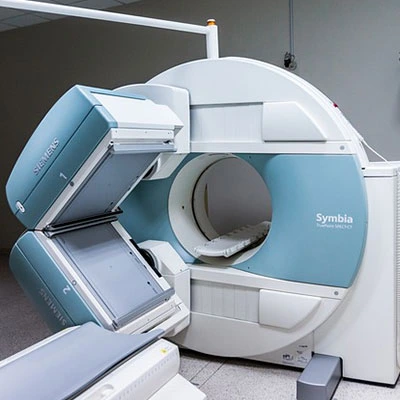
Description
Test Preparation
To ensure accurate results, follow these preparation guideline:
Fasting Requirement
• If contrast is required, do not eat or drink for 4-6 hours before the scan.
• If no contrast is used, no fasting is required.
Contrast Injection Considerations (If Contrast is Used)
• A gadolinium-based contrast agent may be injected into a vein to enhance imaging.
• Inform your doctor if you have:
• Kidney disease or reduced kidney function, as contrast may not be safe.
• Allergies to contrast agents or previous allergic reactions.
Clothing & Accessories
• Wear comfortable, loose-fitting clothing without metal fasteners, zippers, or buttons.
• Remove jewellery, watches, piercings, hearing aids, and any metallic objects before the scan.
Medical Conditions & Pregnancy
• Inform your doctor if you are pregnant or suspect pregnancy.
• Notify the technician if you have metal implants, pacemakers, or medical devices.
• If you experience claustrophobia, discuss sedation options with your doctor.
Medication Guidelines
• Most medications can be taken as usual, but check with your doctor for specific instructions.
• If you are diabetic and take Metformin, consult your doctor about any necessary adjustments.
Breathing & Motion Instructions
• Stay still during the scan to avoid motion blur.
• You may be asked to hold your breath briefly during certain parts of the scan