

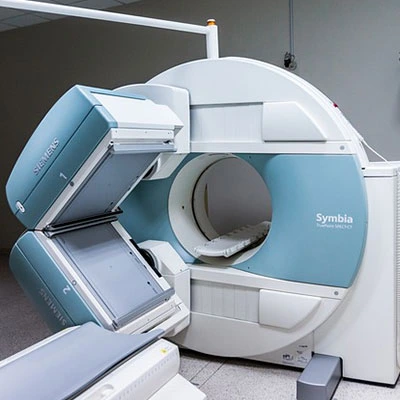
Description
Test Preparation
To ensure accurate results, follow these preparation guideline:
Fasting:
Avoid eating 4-6 hours before the test to ensure a clear view of abdominal organs.
Water is usually allowed, but avoid caffeinated or sugary drinks.
Contrast Injection:
A gadolinium-based contrast agent is used to enhance image quality.
Inform your doctor if you have any allergies or kidney problems, as contrast agents can affect kidney function.
Clothing and Accessories:
Wear loose, comfortable clothing without metal zippers or buttons.
Remove jewelry, watches, belts, and metallic objects before the scan.
Medical History & Pregnancy:
Inform the doctor if you have kidney disease, liver issues, or previous allergic reactions to contrast.
If you are pregnant or suspect pregnancy, discuss the risks with your doctor.
Medication Restrictions:
Some medications may need to be adjusted before the test, so check with your doctor.
Breathing Instructions:
You may be asked to hold your breath for short periods during the scan to get clear images.
Claustrophobia Concerns:
If you are claustrophobic, inform the doctor beforehand. You may be given a mild sedative.