

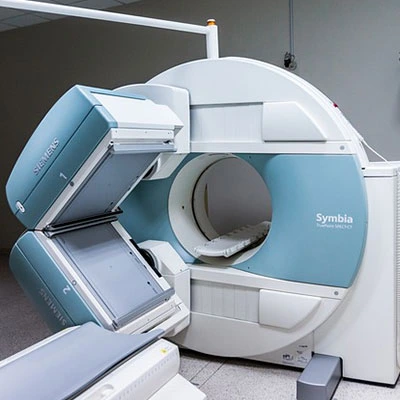
Description
Test Preparation
To ensure accurate results, follow these preparation guideline:
- General Preparation:
• Remove metal objects (jewelry, watches, belts, eyeglasses, etc.) to prevent interference.
• Wear comfortable, loose-fitting clothing without metal zippers or buttons. You may be given a hospital gown.
• Inform your doctor if you have any metal implants, pacemakers, artificial joints, or surgical clips, as they may affect the scan. - Fasting & Medication:
• Fasting is not required for most MRI joint scans.
• If an MRI with contrast (gadolinium dye) is needed, you may be asked to fast for 4–6 hours before the test.
• Inform your doctor if you have any kidney disease or allergies, as contrast dye may not be suitable for some patients. - Contrast Injection (if required):
• Some MRI scans use a contrast agent for clearer images.
• The dye is injected through an IV in your arm, and you may feel a cool sensation.
Sedation (if needed):
• If you have claustrophobia or difficulty staying still, mild sedation may be provided. - During the MRI:
• The test lasts 30–60 minutes. You must lie still for accurate imaging.
• The MRI machine makes loud knocking sounds, so you may be given earplugs or headphones.