

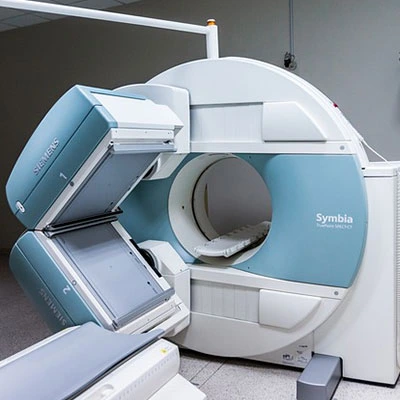
Description
Test Preparation
To ensure accurate results, follow these preparation guideline:
General Preparation:
- Wear loose, comfortable clothing without any metal zippers, buttons, or accessories. You may be given a hospital gown to wear during the procedure.
- Remove any jewelry, piercings, eyeglasses, or metallic objects before the scan.
- Inform the technician if you have metal implants (e.g., pacemakers, stents, aneurysm clips, etc.), as these can interfere with the MRI.
- You may be asked to avoid eating or drinking for a certain period before the test, especially if contrast material will be used.
Fasting & Medication:
- Fasting: You will likely be asked to fast for 4-6 hours before the procedure to ensure the stomach and small intestine are empty, which allows for better imaging.
- Medications: Continue taking your usual medications unless instructed otherwise by your doctor. If you’re on medications for digestive conditions, ask if any adjustments are necessary.
- Contrast Material: A contrast agent will be used to enhance imaging. If you have allergies to contrast agents or any history of kidney problems, inform your doctor.
Special Considerations:
- Inform your doctor if you are pregnant or breastfeeding.
- If you suffer from claustrophobia, talk to your doctor about potential sedation options, as the MRI machine can be confined and loud.
- Let the technician know if you have any history of abdominal surgeries or GI conditions, as this can affect the procedure.