

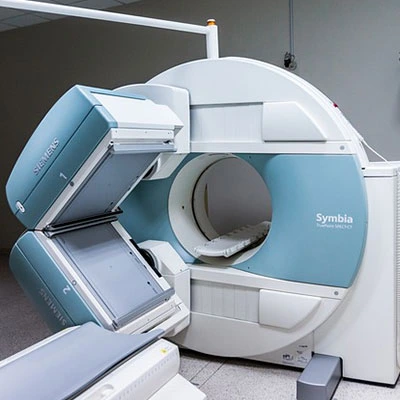
Description
Test Preparation
To ensure accurate results, follow these preparation guideline:
General Preparation:
- Wear loose, comfortable clothing without any metal zippers, buttons, or accessories.
- Remove jewelry, piercings, eyeglasses, hearing aids, and any metallic items.
- Inform the technician if you have any implants (pacemakers, aneurysm clips, stents, or any spinal hardware).
- You may need to wear a hospital gown during the procedure.
Fasting & Medication:
- Fasting: You may be asked to fast for 4 to 6 hours before the procedure, especially if you are undergoing sedation or if contrast dye will be used.
- Medications: Continue taking your usual medications unless instructed otherwise. If you’re taking medications that affect bleeding (e.g., blood thinners), inform your doctor.
- Contrast Dye: If contrast dye is used, inform your doctor if you have kidney problems or a history of allergies to contrast agents.
Special Considerations:
- Inform your doctor if you are pregnant or breastfeeding.
- You may need to sign a consent form for the myelogram procedure, as it involves an injection of contrast dye.
- If you have claustrophobia, sedation or mild sedation options may be available (discuss with your doctor).
- Previous spinal surgeries or injuries should be communicated to the technician for better image interpretation.